Currently Empty: $0.00

A face oil that sits on top of your skin, a scalp treatment that feels too heavy, or a hair oil that leaves strands greasy can make beauty oils seem like more trouble than they are worth. Usually, the issue is not oil itself. It is choosing the wrong oil for the area, using too much, or applying it at the wrong point in your routine.
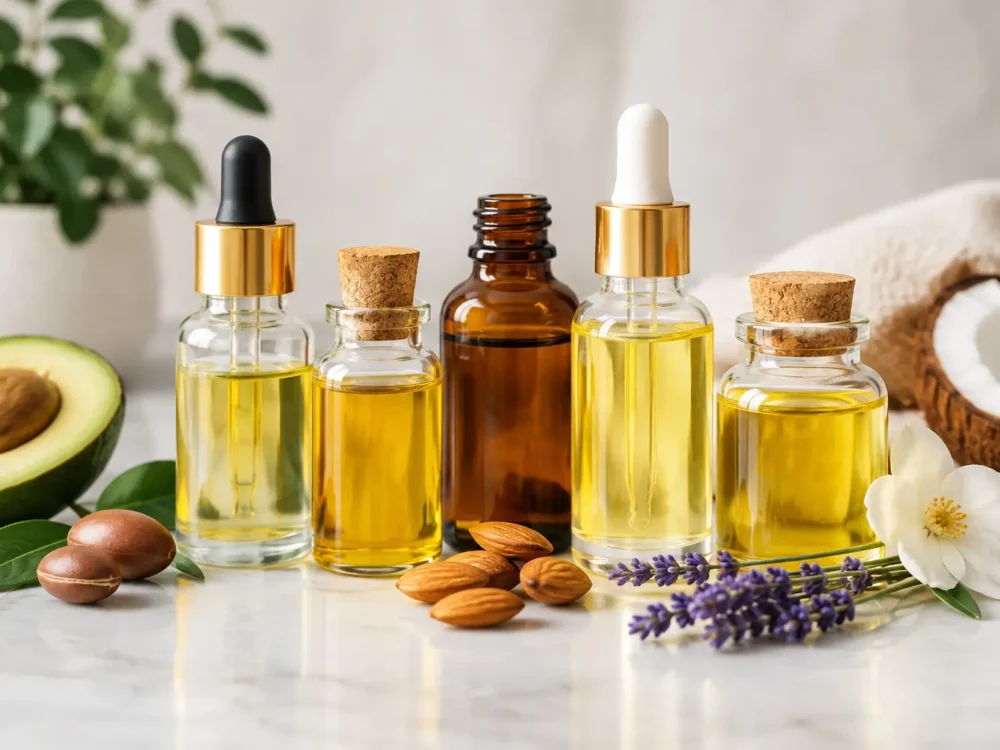
Used thoughtfully, oils can be a practical addition to a low-fuss beauty routine. They help reduce moisture loss, soften dry areas, add shine to hair, and make a quick massage feel more restorative. The goal is not to coat everything in oil. It is to use the right amount, on the right surface, for a result you can actually feel good about repeating.
What Beauty Oils Actually Do
Most beauty oils work primarily as emollients and occlusives. In simple terms, they help soften the skin’s surface and create a light barrier that slows the escape of water. This is why oil tends to work best when skin is slightly damp or when it is layered over a water-based moisturizer.
Oil is not a replacement for hydration on its own. If skin feels tight, flaky, or dehydrated, start with water-based steps such as a gentle serum or moisturizer, then use oil to help seal that moisture in. Applying oil to completely dry skin can still feel comforting, but it may not give you the same long-lasting result.
For hair, oils can improve the look and feel of dry lengths, reduce the appearance of frizz, and add slip before styling. On the scalp, they can support a massage ritual and help soften dry patches. Results vary with hair texture, wash frequency, climate, and how much product is used.
Choosing Beauty Oils for Your Skin Type
There is no single best oil for every face, body, or scalp. Your skin’s oiliness, sensitivity, and current routine all matter. A rich oil can feel deeply comforting on dry skin yet feel excessive on someone who prefers lightweight layers. Start with one product and give it time before adding more.
For dry or tight-feeling skin
Look for richer textures that leave a protective finish, especially for the body, elbows, knees, cuticles, and heels. Organic castor oil is naturally thick, which makes it better suited to targeted dry areas than to a full-face application for most people. A small amount can also work well for brows, cuticles, or a pre-shampoo scalp massage.
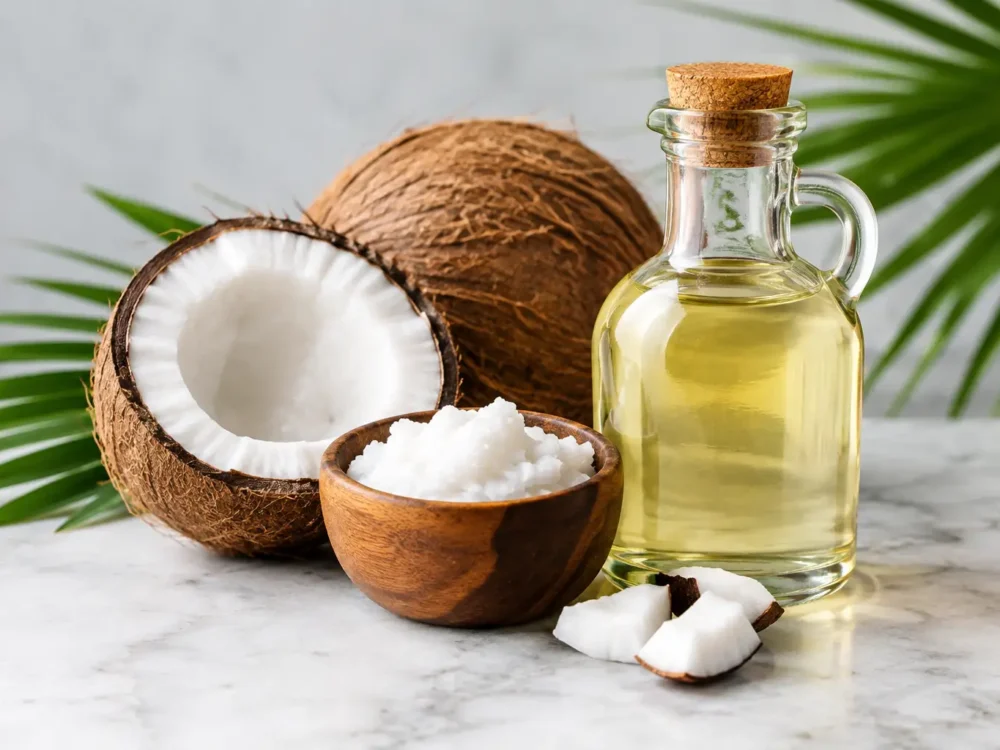
Extra virgin coconut oil is another multipurpose option. It can be useful as a body moisturizer, a makeup-removing first cleanse, or a hair treatment on dry mid-lengths and ends. Because it has a richer feel, use it sparingly on the face if you are prone to clogged pores or breakouts.
For combination or oily skin
Oily skin still needs moisture, but it often benefits from a lighter hand. Choose a small amount of oil and apply it only where you need it, such as around the cheeks or on dry spots after cleansing. If your skin becomes shiny quickly, try pressing one or two drops over moisturizer at night rather than using oil in the morning.
Pay attention to your own response rather than relying only on broad labels. An oil that works beautifully for a friend may not suit your skin, particularly if you are acne-prone. Introduce new products one at a time so you can tell what is helping and what is not.
For sensitive skin
Simple formulas are usually the smartest starting point. Avoid using fragranced essential oils directly on the face, and be careful with DIY blends that contain multiple active botanicals. The fewer variables in the product, the easier it is to assess tolerance.
Before broad use, patch test a small amount on the inner arm or behind the ear for several days. Stop using it if you notice burning, persistent redness, itching, or a rash. If you have eczema, rosacea, severe acne, or a diagnosed skin condition, personalized guidance from a dermatologist is the safer route.
How to Apply Beauty Oils Without Feeling Greasy
Technique matters as much as the oil you choose. For facial use, warm one to three drops between clean palms, then press lightly onto damp skin or over moisturizer. Rubbing aggressively does not help the oil absorb better. Gentle pressure is enough.
For body care, apply oil after a shower while skin is still slightly damp. Focus on areas that lose moisture quickly, including shins, hands, elbows, and feet. If the finish feels too rich, combine a few drops with your regular body lotion in your palm rather than layering oil heavily on top.
Hair needs an even smaller dose. Start with one or two drops through the ends, then add only if necessary. For a deeper treatment, work oil through dry lengths before shampooing and leave it on for 20 to 30 minutes. This pre-wash approach can be especially useful for hair that feels rough after frequent heat styling or swimming.
Scalp oiling is best treated as an occasional ritual, not a requirement for everyone. Apply a modest amount in sections, massage gently with fingertips, and shampoo thoroughly afterward. Those with a flaky, irritated, or very oily scalp may find that heavy oiling makes their scalp feel worse, so it is worth keeping the routine short and observing the results.
Multipurpose Oils: Useful, With Clear Boundaries
The appeal of natural oils is their versatility. One quality bottle can earn a place in a bathroom cabinet, gym bag, or travel pouch. Coconut oil may support a simple body and hair routine. Castor oil can be kept for dry cuticles, heels, and targeted hair care. Black seed oil is often chosen by wellness shoppers for its traditional use and distinctive composition, but topical use should still be approached carefully, especially on reactive skin.
Sterling Nutrition focuses on clean, convenient wellness staples, including organic castor oil and extra virgin coconut oil that can support a streamlined self-care routine. Quality matters here. Choose products with clear ingredient information, appropriate packaging, and storage guidance. For topical use, avoid products blended with unnecessary fragrance or ingredients you already know your skin does not tolerate.
Do not assume that natural automatically means gentle or that edible automatically means ideal for every cosmetic purpose. Oils can stain fabrics, irritate eyes, and create slippery shower surfaces. Keep them away from broken skin unless a health professional has advised otherwise, and avoid applying them directly to lashes or inside the nose.
Storage Keeps Oils Performing Well
Oils are sensitive to heat, air, and light. Over time, exposure can change their smell, color, and performance. Keep bottles tightly closed in a cool, dry place away from direct sunlight. A dark bottle is helpful, but it does not make an oil immune to poor storage.
Check the scent before use. If an oil smells sharply stale, sour, or crayon-like, it may be oxidized and should be replaced. Use clean, dry hands or a clean dropper to avoid introducing water into the bottle. These small habits help a product stay fresher and make your routine more hygienic.
Build a Routine You Will Actually Keep
A good oil routine should feel easy enough to repeat. Start with one purpose: soften dry hands overnight, add a pre-wash hair treatment once a week, or press a few drops over moisturizer on dry cheeks. Give that habit two to three weeks before deciding whether it deserves a permanent spot on your shelf.
The best beauty oils are not necessarily the rarest or most expensive. They are the ones that suit your skin, fit your routine, and are used consistently with care. Start small, watch how your skin and hair respond, and let a simple daily ritual do its work.